


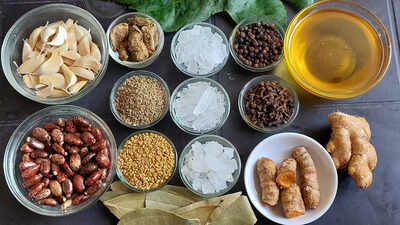
The COVID-19 pandemic triggered many shifts in people’s attitudes toward health, prompting a resurgence of interest in holistic wellness, preventive care, and traditional healing systems. For India, which has ancient roots in Ayurveda, Yoga, Unani, Siddha, and Homeopathy (collectively AYUSH), this global shift is reshaping its identity as a top destination for wellness tourism and herbal care.
Surge in herbal remedies and traditional practices post-COVID

Credit: Canva
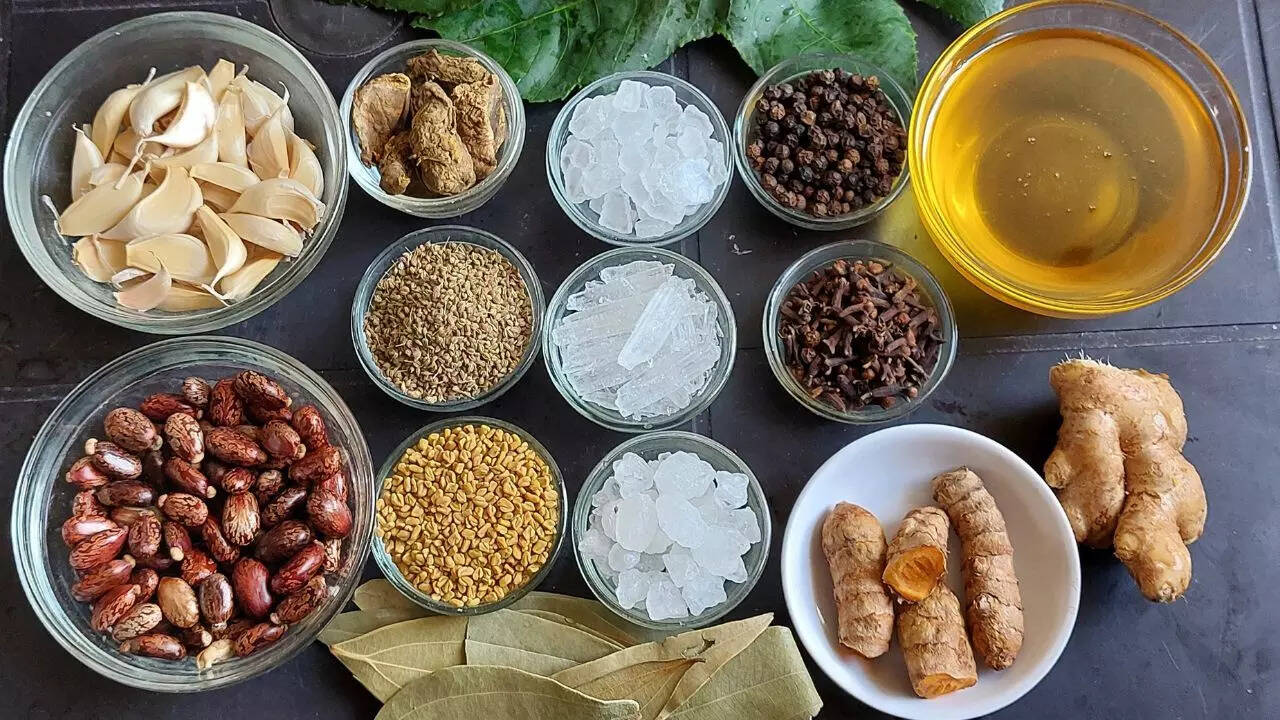
During the pandemic, a large number of people in India increasingly turned to herbal remedies, home-based solutions, and formal AYUSH systems for both prevention and treatment of illnesses. Practices such as yoga, pranayama, meditation, and simple home remedies like warm water and turmeric-based drinks became especially popular. Even in urban settings, many individuals relied on Ayurvedic medicines and therapies to support recovery and boost overall immunity. This trend highlighted not only the strong awareness of traditional health practices but also a growing and sustained use of them, with many reporting a sense of improved well-being and resilience through these approaches.
Use of AYUSH Systems in India (2022-23)
| Category |
Rural (%) |
Urban (%) |
| Awareness of AYUSH systems | ~95 | ~96 |
| Individuals who used AYUSH in last year | ~46 | ~53 |
| Ayurveda usage (among AYUSH) | ~40.5 | ~45.5 |
India’s wellness and medical tourism industry: size & growth
India is fast emerging as a global wellness destination – not just for spiritual and Ayurvedic retreats but also for ‘medical value travel’.The wellness tourism market in India was valued at around USD 25.8 billion in 2022 and is projected to reach around USD 81.9 billion by 2030, with a compound annual growth rate (CAGR) of ~15.6% from 2023-2030.Another report puts the wellness tourism market size in 2024 at around USD 32,833.1 million (≈ USD 32.8 billion), and forecasts it to reach USD 57,238 million (≈ USD 57.2 billion) by 2033 (CAGR ~6.37% in 2025-33).Regarding medical tourism specifically (people travelling to India for medical treatments), numbers have been rising post-pandemic: ~1.8 lakh foreign medical tourists in 2020 to ~6.6 lakh in 2023.
Drivers and challenges
Drivers:Growing health awareness, especially after COVID, about prevention, immunity, and wellness.Perception of lower side effects, more personalised care, nature-based/herbal remedies.Cost competitiveness of AYUSH treatments vs many allopathic medical treatments, especially for wellness, chronic ailments, detox, etc.Government support: AYUSH Ministry policies; setting up more AYUSH hospitals plus dispensing centres; promotion of “Heal in India” and wellness visas.Challenges:Lack of standardisation and rigorous evidence for many Ayurvedic/herbal formulations (though some progress is being made).Regulatory oversight, quality control, safety issues.Infrastructure, insurance coverage, integration with mainstream healthcare.Ensuring that wellness tourism growth benefits local communities sustainably, without exploitation of resources.
Role of key players and herbal products
Credit: Canva
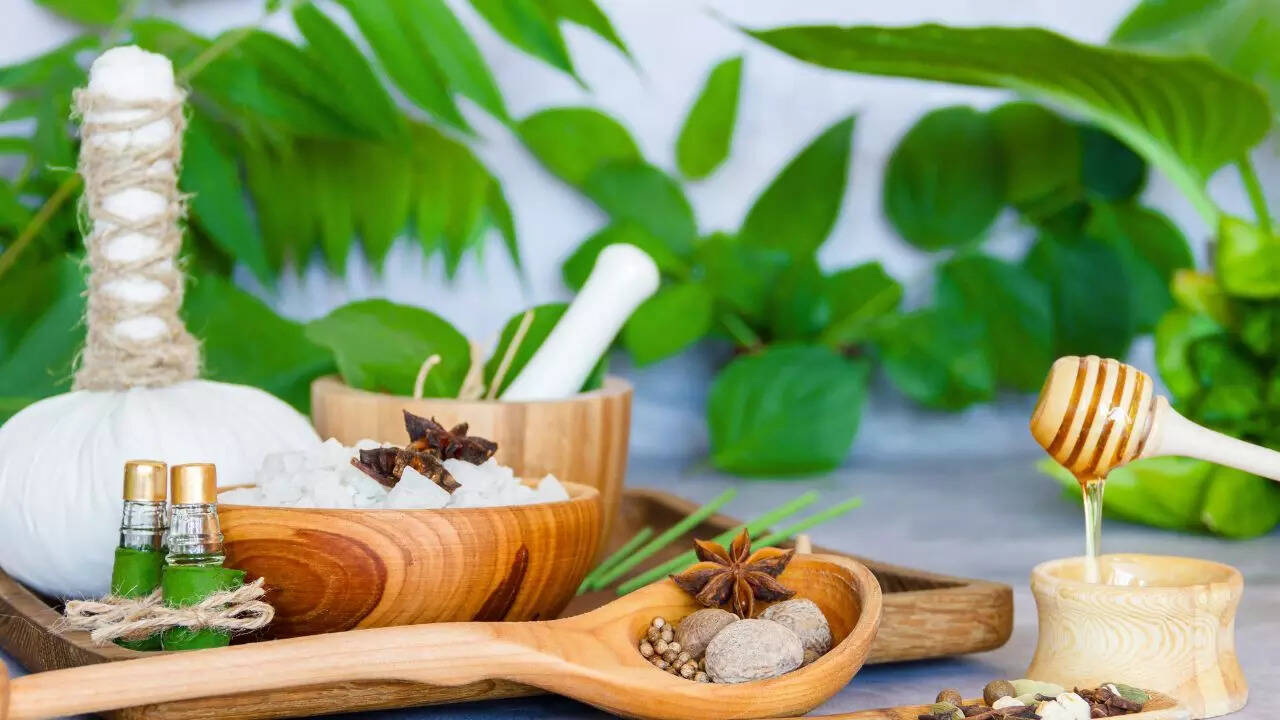
In the Ayurvedic/herbal products landscape, brands like Patanjali, expanded its reach in many parts of India for herbal and Ayurveda-based remedies, post-COVID.Also, places like Indore (Madhya Pradesh) are emerging as herbal & Ayurvedic manufacturing clusters. For example, Indore’s ayurvedic/herbal product manufacturing units are over 200, with the local market size estimated over Rs 1,000 crore, and many units are interested in exports.
What this means for India’s global identity
These trends are positioning India in a unique spot in global wellness culture:Soft power & cultural heritage: Yoga, Ayurveda are not just products or services – they carry heritage, philosophy, identity.Sustainable wellness travel: Tourists are increasingly interested in holistic experiences – nature, rejuvenation, mindfulness – not just hospital-based medical tourism.Diversified health portfolio: Mainstream health systems are beginning to integrate AYUSH, while travelers want integrated offerings (e.g. combining yoga, Ayurveda, meditation plus medical checkups).In a post-COVID world that places a premium on health, resilience, and holistic well-being, India’s ancient systems of yoga, Ayurveda and herbal care are no longer just niche, they are central to a strategy of global wellness and wellness tourism. With strong awareness, growing usage, rising inbound medical and wellness tourists, and expanding markets, India’s “new global identity” may indeed be that of a wellness powerhouse. To fully claim that mantle, the country will need to ensure scientific rigor, infrastructure, regulatory quality, and inclusive growth so that the benefits are both real and widely shared.
link