Medical Tourism 2.0: Combining Treatment, Recovery, and Travel

Not long ago, “medical tourism” sounded like a rushed deal. Book a cheap flight, see a doctor abroad, get patched up, and head straight home. Efficient, maybe. But it’s cold. Patients often carried more stress than comfort, moving through the whole thing like an errand they had to tick off.
That’s not the picture anymore. Something has shifted. People are traveling for treatment in a way that feels less like an obligation and more like a journey. One that combines health care with real rest, small pleasures, and the kind of settings that make healing gentler.
It’s not just about the procedure anymore. It’s about how you feel before, during, and after.
A New Kind of Experience
The first wave of medical travel was all about cost. Go where it’s cheaper, get it done, fly home. Now the focus is different. Comfort matters. Privacy matters. The emotional side of healing is treated with the same seriousness as the surgery itself.
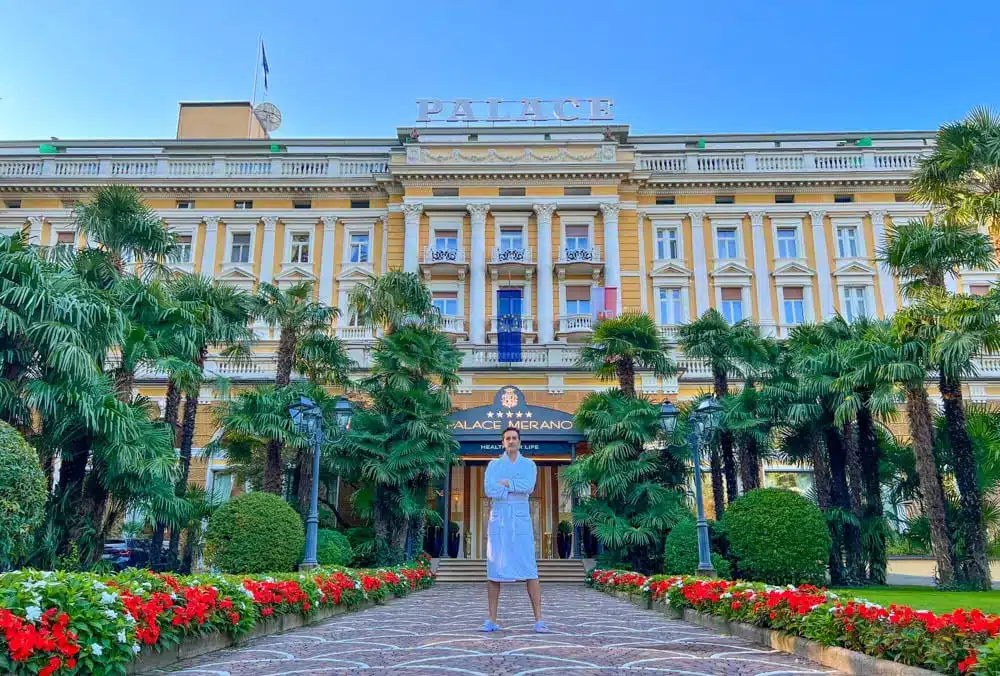
Clinics partner with hotels or wellness resorts. Patients can spend recovery days in airy rooms, with windows that open to gardens or beaches instead of fluorescent lights. Meals are lighter, staff are patient, and activities are designed for those who can’t move too fast just yet. It feels less like being “away for treatment” and more like being given space to heal properly.
And maybe that’s what people were missing before: space.
Blending Care with Place
Imagine this: you fly into Istanbul for dental implants. The clinic is modern, the doctors are internationally trained, and after the procedure you’re taken not to a stark recovery ward but to a boutique hotel by the Bosporus. You sip soup on a terrace while the city hums quietly in the background. A few days later, when the swelling eases, you stroll through the Grand Bazaar, slowly, carefully, but still part of the city around you.
Or picture Thailand. You go in for orthopedic surgery in Bangkok, then continue recovery in Phuket where wellness resorts are set up with spa treatments and recovery-friendly meals. You’re not isolated. You’re supported. Your body gets medical care, your mind gets calm.
That’s medical tourism 2.0: the setting becomes part of the treatment.
The Small Details That Matter
When people talk about this shift, it’s easy to get caught up in big images—beaches, spas, historic streets. But the truth is, the little things carry just as much weight.
The numbing cream before a procedure that makes the first step less scary. The quiet reassurance that you won’t be rushed out the door. The privacy of your recovery room. Even something as simple as a clinic offering Emla for numbing during minor treatments shows a patient-first mindset. It says: we’ve thought about your comfort, not just the technical side.
People remember those details. They tell their friends about them. And slowly, that changes how medical travel is seen—not as a compromise, but as an upgrade in care.
Destinations That Have Grown Into Healing Hubs
Different countries have carved out reputations in this new wave of travel. Each offers something unique:
- Turkey: Known for cosmetic procedures, hair transplants, and dental work. Patients often tie their trip with short tours—Cappadocia hot air balloons if recovery allows, or Istanbul’s cultural mix at a gentler pace.
- Thailand: A balance of medical expertise and wellness culture. Hospitals in Bangkok lead in complex surgeries, while coastal resorts support the healing side with spa care, soft exercise, and nourishing food.
- Portugal: A growing destination for dental tourism. Instead of hiding away during recovery, patients find themselves walking slow by the sea, or enjoying calm evenings in Lisbon’s tiled streets.
- Mexico: A favorite for North Americans. Cosmetic care, bariatric surgery, and fertility treatments are common. Recovery often means resting near the beach in Cancún or Tijuana, with the option to extend the stay into something restorative.
These places don’t just compete on price. They compete on the overall journey: the mix of quality, comfort, and surroundings.
Why People Are Choosing This Path
There’s no single reason. It’s a mix of practicality and humanity.
- Affordability still counts, of course. But it’s not enough on its own.
- Trust in the doctors makes or breaks the decision. Patients look for credentials, international training, and accreditation.
- How it feels is becoming just as important. People weigh the atmosphere, the recovery setting, even the food.
- Aftercare matters deeply. Patients want to know that once they’re back home, they won’t be forgotten. That follow-ups, check-ins, and virtual consults are part of the deal.
It’s care plus comfort. Both together, not one at the expense of the other.
The Human Side of Recovery Abroad
Healing isn’t only physical. There’s fear, relief, exhaustion—all layered together. And that’s where travel becomes more than a backdrop.
A beach view helps calm nerves. A walk through a quiet market reminds someone that life continues around them, even if their body needs rest. Sharing the trip with family gives loved ones something to hold onto too: while the patient rests, they can explore, eat, see, and then return with stories to share.
That sense of being included, of being part of the world, softens the harder edges of recovery.
Looking Forward
Medical tourism is still young. The first wave was about price. This next wave is about care and setting. And the wave after that may combine even more layers—wellness retreats built into recovery, cultural experiences designed around healing schedules, even long-term programs where patients return for check-ins paired with travel.
What’s clear is this: the future won’t separate health and life. Patients don’t want treatment in isolation anymore. They want to feel human through the whole process. They want recovery that gives back something, not just takes away time.
Travel will always carry a pull of discovery. Healing, when woven into that, stops feeling like a break in life. It starts feeling like part of it.
That’s the heart of medical tourism 2.0: treatment, recovery, and travel working together quietly, without edges, without rush.
Photo Credit: Africa Studio / Shutterstock.com
link