Mindful Escapes and Wellness Tourism Flourish in India, Bali, Japan and Costa Rica, Here’s All You Need to Know
Published on
October 31, 2025

By 2025, the industry evolves to identify travel priorities beyond sightseeing to include wellness, purpose, and equilibrium. This new shift in the wellness travel movement adds deeper value to vacations, incorporating restorative and self-discovery dimensions.
Travelers are choosing restorative holidays to nourish their body, mind, and spirit and shift from the conventional holiday to mindfulness escapes. The new focus on holidays and travel is evidenced by taking vacations, from the Swiss Alps to Bali to Hawaii to the Himalayas and beyond.
After years of burnout and excessive focus on the digital landscape, traveling offers the release and restorative recharge that the mind and body are craving. New travel patterns are forming to facilitate self-integration and to offer deep personal values.
The Changing Traveler: Well-Being Over Wanderlust
The modern tourist is changing. Where travelers once prioritized luxury resorts and bucket-list attractions, they now crave peace, authenticity, and personal growth. A recent industry report shows that over 70% of global travelers consider health and wellness a primary motivation when booking trips.
For these travelers, a vacation is no longer a pause from life — it’s an opportunity to restore vitality and realign priorities. From yoga retreats in Thailand to thermal spa escapes in Iceland, wellness travel offers experiences that blend serenity with adventure.
This evolution is also reshaping how destinations position themselves. Tourism boards are integrating well-being into their branding, hotels are hiring wellness directors, and even airlines are introducing guided meditation programs and healthier in-flight dining.
Immersive Wellness Experiences Redefining 2025
The wellness tourism landscape is flourishing with new, transformative experiences that elevate travel from simple leisure to holistic healing.
1. Holistic Retreats for Mind and Body
All-inclusive wellness sanctuaries are emerging across Europe, Asia, and the Americas, offering programs that include yoga, sound baths, forest therapy, and nutrition workshops. These retreats emphasize connection — not just with oneself, but with nature and local culture.
2. Digital Detox Destinations
In a world dominated by screens, digital-free escapes are thriving. Resorts in Costa Rica, Bhutan, and New Zealand are pioneering “unplugged” travel, encouraging guests to swap notifications for meditation, hiking, and stargazing.
3. Personalized Health Journeys
Technology now allows travelers to craft bespoke wellness itineraries. Using smart wearables and data-driven health analysis, resorts design individualized programs that track fitness progress, optimize nutrition, and monitor sleep.
4. Integrative Healing
Destinations like India, Japan, and Greece are blending ancient traditions with modern science. Programs combine Ayurveda, Reiki, and hydrotherapy with cutting-edge wellness innovations, creating a balance between tradition and technology.
These experiences embody the modern traveler’s quest for self-improvement and inner harmony, transforming tourism into a journey toward wholeness.
Nature: The Ultimate Healer
Amid the rise of technology and luxury wellness, nature remains the timeless source of healing. In 2025, eco-conscious travelers are rediscovering the therapeutic power of the outdoors — from forest bathing in Japan’s cedar groves to sunrise yoga on the beaches of Bali.
Eco-resorts and sustainable lodges now form the backbone of the wellness tourism movement. Many operate with renewable energy, organic farming, and zero-waste practices, allowing visitors to rejuvenate while reducing their environmental footprint.
These green sanctuaries prove that personal well-being and planetary health are intertwined — offering tourists the joy of healing in harmony with nature.
The Tech-Enhanced Traveler: Balancing Innovation with Humanity
While mindfulness and nature are central to wellness travel, technology is quietly revolutionizing the experience.
AI-powered apps curate personalized itineraries, suggesting everything from spa therapies in Bali to meditation caves in the Himalayas. Wearables monitor stress levels and recommend restorative activities, while virtual coaching connects travelers to nutritionists and therapists anywhere in the world.
The challenge, however, lies in maintaining balance. The most successful wellness programs use technology not as a substitute for human care, but as a tool to enhance empathy, connection, and personalization — ensuring that healing remains an intimate, human experience.
Cultural Sensitivity and Authentic Healing
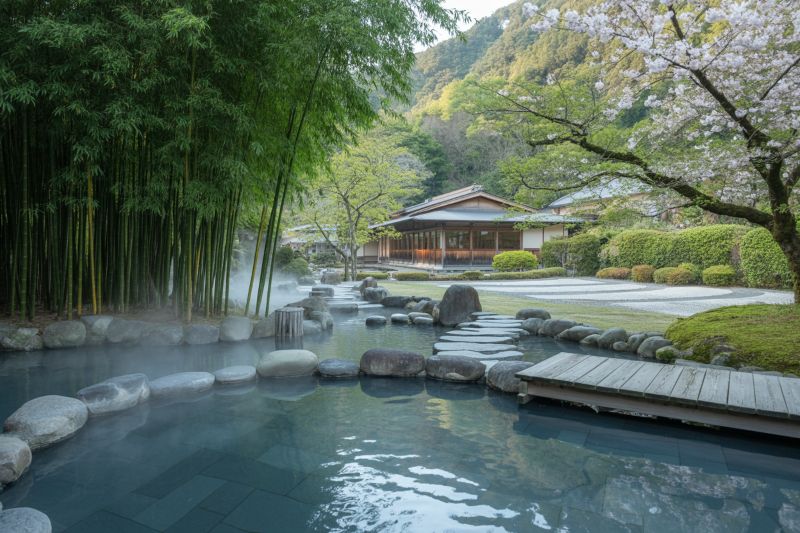
As wellness travel expands globally, cultural authenticity has become paramount. Practices like Ayurveda in India, onsen bathing in Japan, or Balinese massage are deeply rooted in centuries-old traditions. True wellness travel honors these origins with respect and understanding, avoiding cultural appropriation and ensuring that benefits reach local communities.
Community-led retreats and locally operated wellness centers empower residents, preserve indigenous knowledge, and offer travelers authentic engagement rather than commercial imitation. This creates a bridge between self-care and cultural appreciation — a more meaningful form of global tourism.
Economic and Social Impact: Wellness as a Force for Good
The global wellness tourism industry, valued at over $800 billion in 2025, is among the fastest-growing segments of travel. Beyond profits, it generates sustainable jobs and community development.
Local therapists, yoga instructors, nutritionists, and artisans all benefit from this expanding ecosystem. In destinations like Kerala, Bali, and Costa Rica, wellness tourism is funding environmental conservation, organic farming, and women-led enterprises — showing how mindful travel can uplift entire regions.
For travelers, this creates a deeper sense of purpose: every spa session, nature trek, or meditation class becomes a contribution to global well-being.
Post-Pandemic Wellness: Safety Meets Serenity
The lessons of the pandemic continue to shape travel preferences. Safety, health, and open spaces remain top priorities. Wellness resorts now offer contactless services, outdoor treatments, and smaller group retreats, balancing comfort with caution.
This focus on health-conscious design — from open-air yoga decks to sustainable architecture — ensures that wellness travel continues to thrive responsibly, giving tourists the confidence to heal and explore safely.
The Future of Wellness Travel: A Journey Within
As we approach the year 2025, wellness travel represents one of the most prominent shifts in contemporary tourism. It indicates a desire, not for an unconnected escape, but for reconnection… with oneself, with the natural surroundings, with one’s community.
Wellness travel is a global phenomenon characterizing lifestyles from the Himalayas to Hawaii. It is not a quest for luxurious services but a need for sustainable mindful living.
The next shift in tourism is not about how far we travel. It is about how far we, and our souls, travel within and the depths we explore. Every destination in the world offers an opportunity for healing, and in the age of wellness travel, it is an experience we should embrace.

link